

Drip Irrigation Mastery: An Effective Approach to Water Management

In the pursuit of sustainable agriculture, efficient water management stands as a cornerstone. Drip irrigation, a precise and controlled method of delivering water to crops, has emerged as a mastery in water conservation. This article explores the intricacies of drip irrigation, its benefits, and how it revolutionizes water management in agriculture.
**1. Understanding Drip Irrigation
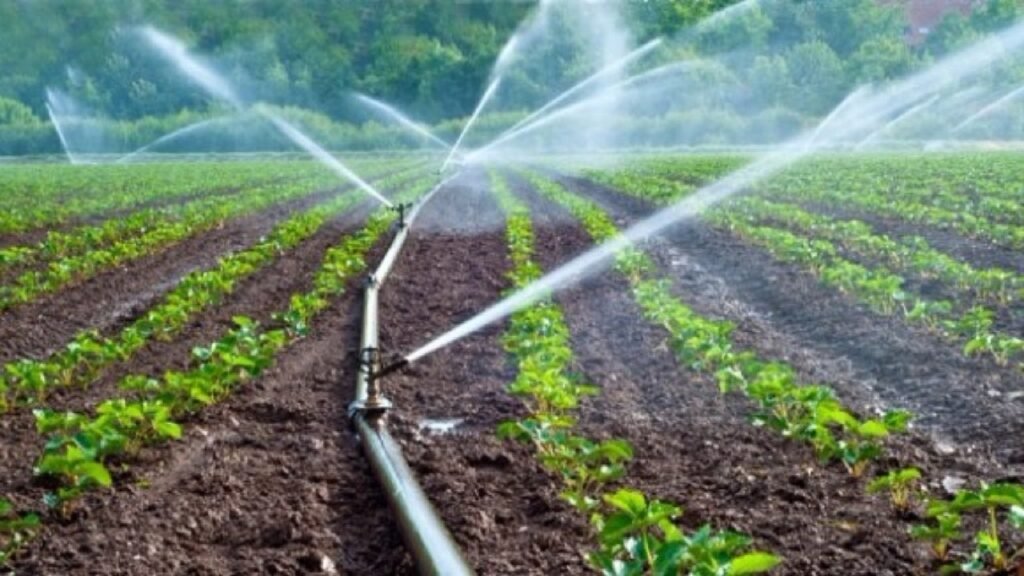
Drip irrigation involves the controlled application of water directly to the base of each plant through a network of tubing, pipes, and emitters. Unlike traditional irrigation methods that cover the entire field, drip irrigation targets the root zone, providing a consistent and controlled water supply. This precision minimizes water wastage and optimizes resource use.
**2. Water Efficiency and Conservation
One of the primary advantages of drip irrigation lies in its water efficiency. By delivering water directly to the roots, this method reduces evaporation and runoff, ensuring that a higher percentage of water reaches the plants. This efficiency not only conserves water but also makes drip irrigation particularly well-suited for regions facing water scarcity.
**3. Improved Crop Yield and Quality
Drip irrigation enhances crop yield and quality by maintaining an optimal moisture level in the root zone. Consistent and controlled water supply ensures that crops receive the necessary hydration without the risk of overwatering or underwatering. This results in healthier plants, increased yields, and improved overall crop quality.
**4. Nutrient Management Through Fertigation
Drip irrigation seamlessly integrates with fertigation, a process of delivering fertilizers through the irrigation system. This allows for precise nutrient application directly to the root zone, optimizing nutrient absorption by plants. Fertigation not only enhances plant growth but also streamlines nutrient management, reducing the environmental impact of excess fertilizer use.
**5. Weed and Disease Control
Traditional irrigation methods can inadvertently promote weed growth by watering the entire field. Drip irrigation’s targeted approach minimizes moisture in non-crop areas, reducing weed proliferation. Additionally, the controlled moisture levels mitigate the spread of soil-borne diseases, contributing to a healthier and more resilient crop environment.
**6. Adaptability to Various Crops and Terrains
Drip irrigation is highly versatile, adapting to different crops, soil types, and terrains. Whether used in large-scale agriculture or for small-scale gardening, drip systems can be customized to suit specific crop needs. This adaptability makes it a valuable tool for farmers cultivating a diverse range of crops.
**7. Energy and Labor Savings
Compared to traditional irrigation methods, drip irrigation requires less energy and labor. The efficient use of water reduces the energy needed for pumping, and the targeted application of water eliminates the need for extensive manual labor associated with other irrigation techniques. This translates to cost savings for farmers and a more sustainable approach to agriculture.
**8. Environmental Sustainability
Drip irrigation aligns with the principles of environmental sustainability. By minimizing water wastage, reducing the use of chemical inputs, and promoting efficient resource utilization, drip irrigation contributes to environmentally responsible agriculture. This aligns with global efforts to address water scarcity and create a more sustainable future for food production.
Conclusion
Drip irrigation mastery represents a pivotal advancement in modern agriculture, offering a water-efficient, crop-enhancing, and environmentally sustainable approach to irrigation. As farmers embrace the precision and benefits of drip systems, the agricultural landscape becomes more resilient, productive, and aligned with the imperative of responsible resource management. The mastery of drip irrigation not only conserves water but also fosters a new era of sustainable and efficient water management in agriculture.
Recourses
- John Deere – Precision Agriculture Solutions
- FAO – Digital Technologies in Agriculture
- USDA – Precision Agriculture
- AgFunder – AgriTech Market Map
- Agricultural Data Coalition
- PrecisionAg – Technology Solutions for Agriculture
- Farmers Weekly – Smart Farming
- AgriTech Tomorrow – News and Articles on Agricultural Technology
- International Journal of Agricultural and Biological Engineering
- Smart Agriculture Analytics – Whitepapers and Reports
Read More useful articles:
- Smart Farming: How Technology Can Enhance Agricultural Operations
- Natural Pest Control: Eco-Friendly Strategies for Crop Protection
- Soil Quality Enhancement: Strategies for Improved Agricultural Production
- Drip Irrigation Mastery: An Effective Approach to Water Management
- Robotics Technology in Agriculture: The Future of Smart Farming
- Vertical Farming: Efficient Space Utilization for Improved Production
- Impact of Climate Change on Agriculture: Challenges and Solutions
- Building a Sustainable Farm: A Comprehensive Guide
- Digital Marketing Strategies for Agricultural Product Promotion
- Organic Farming: Benefits and Sustainable Development Techniques